

 By Michael Caine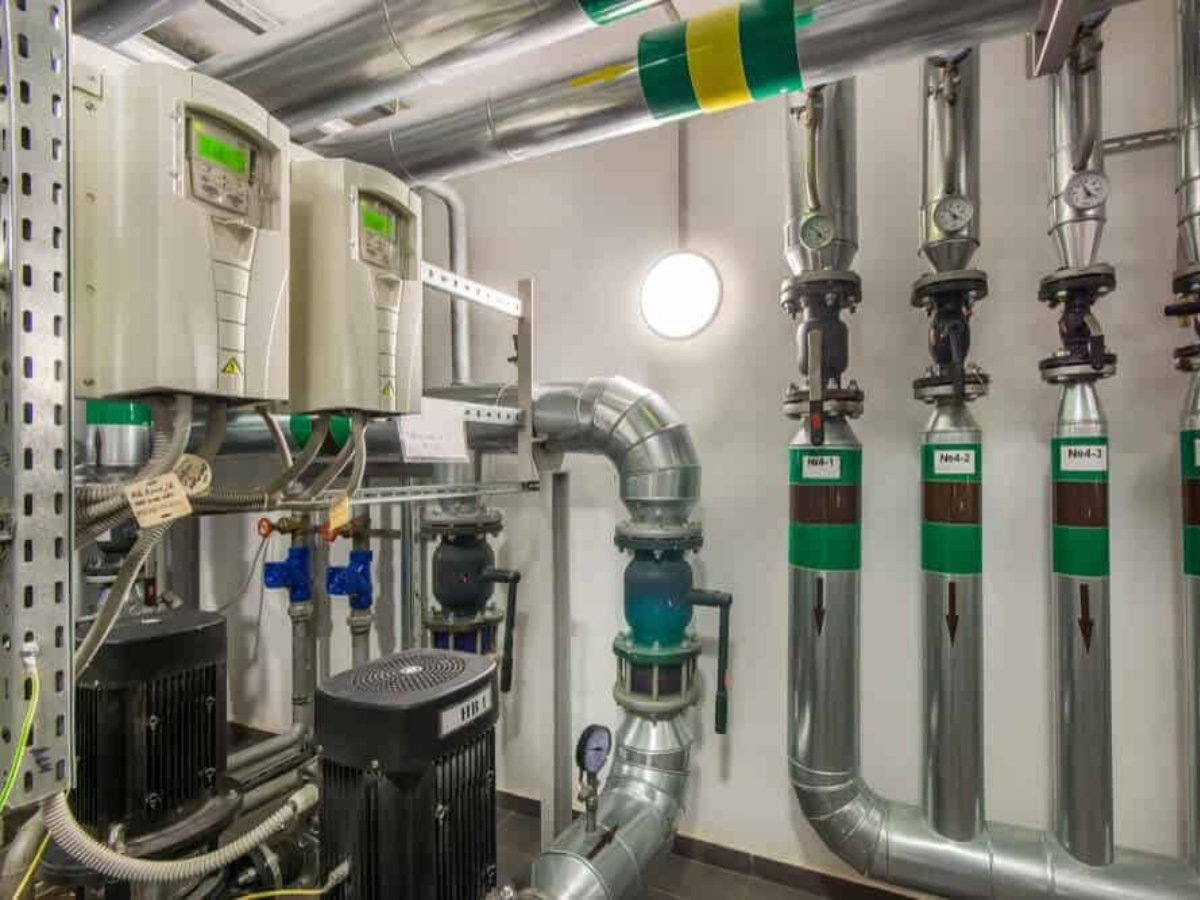
Commercial boilers are a critical part of modern building infrastructure, providing reliable heating and hot water for high-demand environments such as hospitals, hotels, manufacturing plants, office complexes, and warehouses.
In 2026, the demand for high-performance commercial boilers continues to grow as businesses focus on energy efficiency, cost reduction, and environmental compliance. PPX, LTD supports businesses in maintaining and optimizing these systems to meet modern operational demands.
At the same time, advancements in boiler systems technology are reshaping how facilities manage heating loads, automate energy usage, and reduce long-term operational costs. For property managers, contractors, and business owners, understanding how these systems work and how to optimize them has become essential for maintaining efficiency and competitiveness.
This article explores commercial boiler technology in detail, including system types, sizing considerations, efficiency strategies, and maintenance practices that help ensure reliable and cost-effective operation.
Why Commercial Boilers Are Essential for Modern Facilities
Heating systems serve as the backbone of infrastructure in large buildings. Unlike residential units, they are designed for continuous, high-capacity performance and must operate efficiently under fluctuating demand conditions.
Well-designed systems deliver several long-term benefits:
- Consistent heating and hot water supply for large facilities
- Lower operational costs through improved energy efficiency
- Reduced downtime and improved system reliability
- Better compliance with environmental and emissions standards
- Enhanced comfort for occupants and workers
In industries where precise temperature control is essential such as healthcare, food production, and manufacturing, system reliability directly impacts productivity and safety.
Types of Commercial Boilers and Their Applications
Selecting the right systems depends heavily on building size, usage patterns, and energy demands. In 2026, most commercial applications rely on one or more of the following types.
Fire Tube Systems
Fire tube systems are widely used in medium sized commercial facilities. Hot gases pass through tubes surrounded by water, heating it efficiently.
Key advantages:
- Simple design and operation
- Lower upfront installation cost
- Easy maintenance and inspection
These systems are commonly used in office buildings, schools, and small industrial sites where demand is moderate and consistent.
Water Tube Systems
Water tube systems are designed for high pressure and high capacity applications. Water flows through tubes while combustion gases circulate around them.
Key advantages:
- High efficiency under heavy loads
- Faster steam generation
- Suitable for large industrial facilities
They are commonly found in hospitals, power plants, and large manufacturing operations where demand is constant and energy requirements are high.
Condensing Systems
Condensing systems represent the most energy efficient category available today. They capture and reuse heat from exhaust gases, significantly improving performance.
Key advantages:
- High energy efficiency ratings often above 90 percent
- Reduced fuel consumption
- Lower greenhouse gas emissions
These systems are increasingly popular in modern commercial buildings focused on improving efficiency and reducing operating costs.
Commercial Boiler Sizing
One of the most overlooked aspects of boiler performance is proper sizing. Incorrect sizing can lead to inefficiency, higher costs, and premature system failure.
Oversized Boilers
An oversized system may:
- Cycle on and off frequently
- Waste fuel during startup and shutdown
- Increase wear on components
Undersized Boilers
An undersized system may:
- Struggle to meet peak heating demand
- Operate continuously at maximum capacity
- Lead to occupant discomfort and system strain
Proper load calculations for boiler systems should consider:
- Building square footage
- Occupancy levels
- Insulation quality
- Climate conditions
- Peak seasonal demand
Professional assessment is essential to ensure optimal system performance.
Key Factors That Influence Boiler Efficiency
Maximizing efficiency in heating systems requires a combination of good design, proper installation, and ongoing maintenance.
1. Load Management and Demand Fluctuation
Modern systems must adapt to varying heating demands throughout the day. Smart load management helps prevent energy waste and improves system stability while maintaining consistent performance.
2. Fuel Source Optimization
Natural gas remains the dominant fuel source, although hybrid systems and electrification are becoming more common as businesses aim to reduce carbon footprints and improve operational efficiency.
3. System Controls and Automation
Advanced control systems help regulate temperature, pressure, and flow rates automatically. This reduces human error, improves energy efficiency, and ensures more consistent performance across different operating conditions.
4. Heat Recovery Systems
Some advanced systems integrate heat recovery technology to reuse waste heat, improving overall energy utilization and reducing overall energy demand from the primary heating source.
Maintenance Strategies for Long-Term Performance
Routine maintenance is essential for ensuring the longevity and efficiency of heating systems. Without proper care, even high quality equipment can experience reduced performance over time, higher operating costs, and unexpected downtime.
Preventive Maintenance Checklist
A structured maintenance plan should include:
- Regular inspection of pressure levels
- Cleaning of heat exchangers and burners
- Checking for leaks and corrosion
- Testing safety valves and controls
- Monitoring fuel efficiency performance
Seasonal Maintenance
Before peak heating seasons, systems should undergo full diagnostics to ensure they are ready for increased demand. This helps reduce breakdown risks during periods of heavy usage and supports stable performance throughout the season.
Water Quality Management
Hard water can lead to scaling, which reduces heat transfer efficiency and increases energy consumption. Water treatment systems help prevent buildup, improve system reliability, and extend equipment lifespan.
Common Problems in Commercial Boiler Systems
Even well-designed systems can face operational challenges if not properly maintained or configured.
Uneven Heating Distribution
This often results from poor system balancing or aging distribution networks.
Excessive Cycling
Frequent startup and shutdown cycles reduce efficiency and increase mechanical wear.
Sediment Buildup
Mineral deposits inside the system reduce heat transfer efficiency and increase energy consumption.
Control System Malfunctions
Outdated or poorly calibrated controls can lead to energy waste and inconsistent performance.
Addressing these issues early helps avoid costly repairs and system downtime.
The Role of Professional Installation and Expertise
The performance of heating systems depends heavily on proper installation and system design. Even the most advanced equipment can underperform if it is incorrectly installed or poorly configured.
Working with experienced professionals ensures:
- Accurate system sizing and load calculation
- Compliance with building and safety regulations
- Optimized energy performance from the start
- Reduced long term maintenance costs
Proper installation and ongoing service support play a critical role in ensuring efficient and reliable system operation over time.
Frequently Asked Questions (FAQ)
What is the lifespan of these systems?
Most systems last between 15 to 30 years depending on maintenance quality, usage intensity, and operating conditions.
How often should they be serviced?
At least once a year is recommended, with additional inspections before peak operating seasons to ensure safe and efficient performance.
What is the most efficient type available?
Condensing models are currently the most energy efficient option for commercial applications due to their ability to recover and reuse heat from exhaust gases.
How do I know if replacement is needed?
Frequent repairs, rising energy costs, inconsistent heating, and declining performance are key indicators that a replacement may be necessary.
Conclusion
Commercial boilers remain a vital part of modern infrastructure, but their role is rapidly evolving in 2026. Efficiency, automation, and sustainability are now essential priorities for businesses looking to reduce costs and improve performance.
By selecting the right boiler systems, ensuring proper installation, and committing to regular maintenance, facilities can significantly extend equipment lifespan and optimize energy use.
Partnering with experienced professionals like PPX, LTD ensures that commercial heating systems are built for long-term reliability, safety, and efficiency in today’s demanding environments.
Visit the website for more information about services, solutions, and expert support.
PPX, LTD
7316 Standard Road Magnolia, TX 77354
Phone: 936-448-8038
Website: https://texasplumbersbyppx.com/