
 By Michael Caine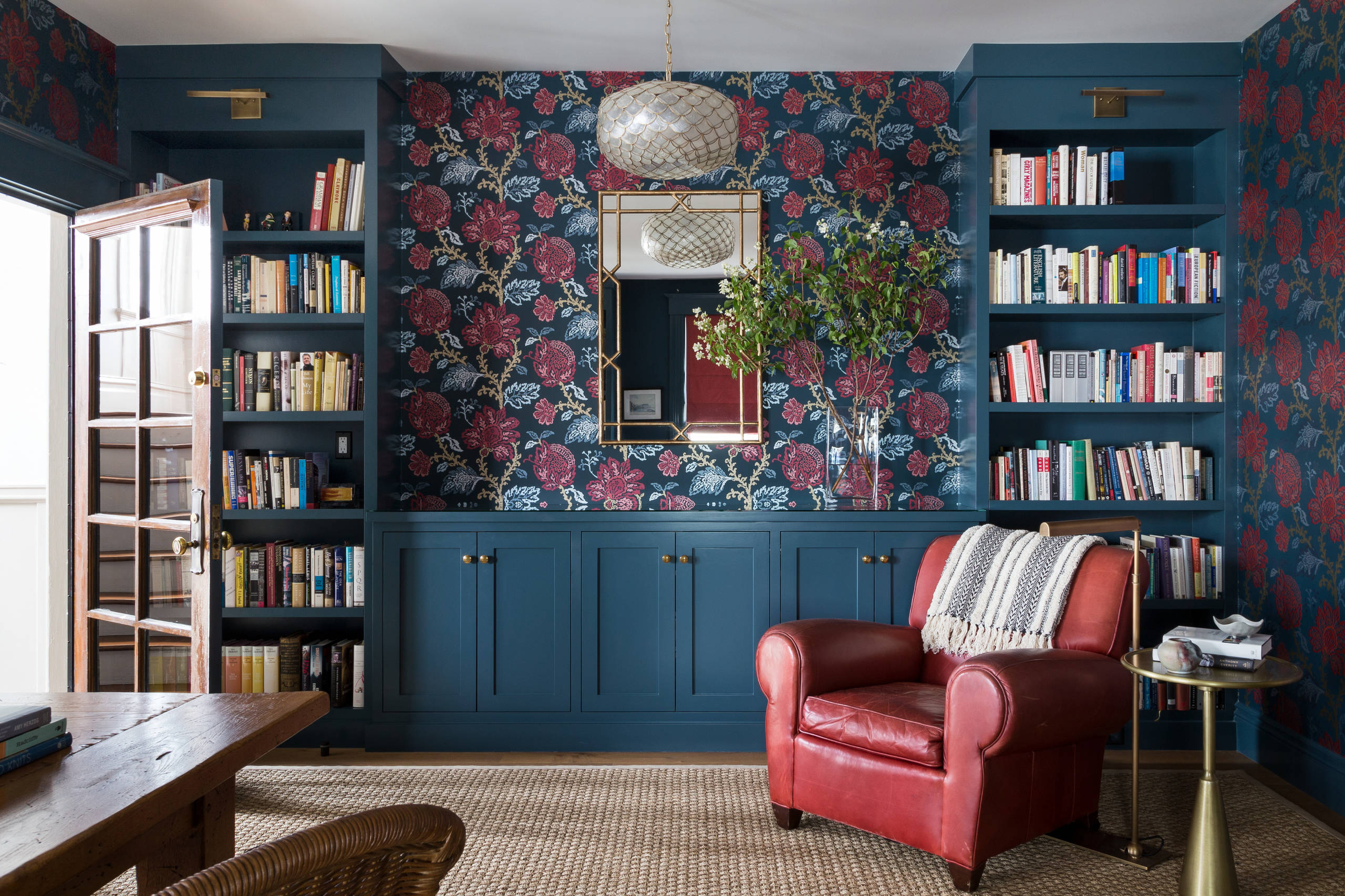
A hobby room shouldn’t become outdated the moment your interests change. Painting might give way to sewing, model building may become photography, or several hobbies may need to share the same room.
The most practical hobby room ideas rely on movable storage, adaptable work surfaces, and zones that can be reassigned without remodeling the entire space.
Start With Flexible Furniture
Built-ins can look polished, but too many permanent features may restrict future use. A large worktable, rolling drawer units, stackable bins, and freestanding shelves are easier to rearrange.
You can still make the room feel finished. Browsing adaptable home interiors can provide inspiration for choosing furniture that works visually across multiple room functions instead of being tied to one specific hobby.
Keep the Main Work Surface Neutral
A durable table can support crafts, repairs, puzzles, drawing, sewing, or computer-based hobbies. Specialized equipment can be added around it rather than replacing it.
Use Storage That Can Change Categories
Storage should adapt when supplies change shape or quantity. Adjustable shelving, modular boxes, pegboards, and drawer inserts are useful because their purpose can evolve.
Ideas from multiuse porch spaces can also inspire flexible thinking. Outdoor transition areas often succeed because furniture and storage can shift between seasonal activities, entertaining, relaxation, and practical household use.
| Flexible Feature | Current Use | Future Possibility |
|---|---|---|
| Rolling cart | Art supplies | Tools or photography gear |
| Pegboard | Craft equipment | Hand tools |
| Open shelving | Fabric and baskets | Models or books |
| Large table | Sewing | Building or repair projects |
Divide the Room Into Zones
Even a small hobby room benefits from separate activity and storage zones. Keep the main work surface open while moving supplies to the perimeter.
One wall might handle tools, another could store materials, and a corner could hold photography equipment or finished projects.
If hobbies regularly extend outdoors, yard organization concepts can help connect interior workspaces with garden sheds, patios, workshops, or other outdoor activity areas.
Plan Power and Lighting for More Than One Hobby
Different activities need different lighting. Detailed painting may need bright task lighting, while photography editing may work better with controlled ambient light.
Instead of wiring the room around a single desk, provide several useful outlets where possible and use adjustable lamps that can move with the furniture.
Cable management also matters. Power strips, chargers, extension leads, and equipment cords can quickly make a hobby room look chaotic even when supplies are neatly organized.
Where Flexible Hobby Rooms Still Fail
Flexibility doesn’t mean keeping everything. A room filled with abandoned supplies from five previous hobbies won’t adapt easily no matter how modular the shelves are.
Another mistake is buying highly specialized furniture before understanding how often it will be used. A permanent craft island or oversized equipment station can dominate the room. Start with adaptable basics and add dedicated features only when a hobby becomes established enough to justify them.
Frequently Asked Questions
What furniture is most useful in a flexible hobby room?
A sturdy table, adjustable chair, open shelving, and movable storage carts cover many hobbies. These pieces can support new activities without requiring the room to be redesigned each time interests change.
How can multiple hobbies share one room?
Store each hobby in its own labeled containers or cabinet section while keeping the main work surface as neutral as possible. Supplies can then be brought out only when that activity is being used.
Is built-in storage a bad choice for a hobby room?
Not necessarily. Adjustable built-ins can work well, especially for general storage. Problems arise when shelves, benches, or equipment stations are sized so specifically that they cannot accommodate different future uses.
Design for the Next Interest Too
A hobby room becomes more valuable when it can change without major expense or disruption. Begin with flexible furniture, adjustable storage, good lighting, and an open work zone. Specialized equipment can come later. Planning for change doesn’t make the room less personal; it gives your interests more freedom to develop.