

 By Michael Caine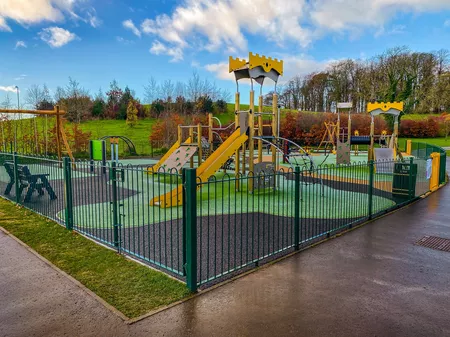
Why a dedicated play fence matters
A well-planned play fence for kids creates a defined, secure perimeter that lets children explore freely while giving caregivers peace of mind. It keeps balls inside the yard, deters pets from disturbing play, and signals to neighbors where the play zone begins. A good playground fence for kids balances safety, visibility, and aesthetics so the yard still feels open and welcoming.
Setting your goals
List what you need the fence to do: prevent toddlers from wandering, keep wildlife out, buffer street noise, or simply mark boundaries. The priorities shape material choices. For example, a family on a busy street might prioritize height and self-closing gates, while a backyard shared with friendly neighbors may focus on visibility and style.
Height and spacing guidelines
For most residential play areas, a height of 4–5 feet is sufficient to deter climbing while staying neighborhood-friendly. Check local codes for maximum height and setback rules. Slat or picket spacing should be 3–4 inches to prevent head entrapment and to keep balls from escaping. Horizontal rails can form unintended ladders; either place a middle rail low enough that children cannot use it as a foothold or select vertical designs that discourage climbing.
Material options
Wood: Classic and customizable. Cedar and pressure-treated pine resist rot, but require regular sealing. Rounded edges and sanded surfaces protect little hands.
Metal: Powder-coated steel or aluminum panels provide durability with low maintenance. Choose designs with smooth welds and narrow spacing.
Vinyl: Clean lines, easy washing, and consistent color. Good for families wanting minimal upkeep.
Mesh or welded wire: Budget-friendly and highly transparent. Pair with a wooden frame for stiffness.
Living fences: Hedges create a natural border but take time to fill in and should be paired with temporary fencing to ensure safety.
Visibility and supervision
A playground fence for kids should not block your sightlines. Choose pickets or mesh that let you see through from the kitchen or patio. Avoid tall solid panels near play structures; shadows and blind spots can hide falls. If privacy is important, mix materials: a solid section by the street and open pickets around swings and slides.
Gate design
Gates are the busiest part of a play fence for kids, so build them strong. Use self-closing, self-latching hinges mounted on the inside to thwart curious hands. Position latches at least 54 inches high or use dual-action latches that require coordinated movements. Add a soft-close feature to prevent slams that might pinch fingers. Gates should swing outward from the play area so an escaping child meets resistance rather than momentum.
Ground clearance and surfacing
Maintain consistent ground clearance—1 to 2 inches above grade—to avoid toe gaps that invite digging yet prevent tripping. In loose-fill playgrounds, set posts deep enough that settling mulch does not create openings. Use gravel or concrete footings based on soil type; clay soils benefit from deeper footings to resist frost heave.
Installation steps
1) Map the fence line with string, confirming property boundaries and utility locations.
2) Dig post holes below frost depth, keeping them plumb and aligned.
3) Set posts with concrete or screw piles; allow adequate cure time.
4) Attach rails or panels, checking level frequently.
5) Hang gates last, adjust for even gaps, and test self-closing action.
6) Sand rough spots and cap exposed bolts.
7) Walk the entire perimeter at child height to spot protrusions or snag points.
Combining fence with landscaping
Soft landscaping softens hard lines. Plant low shrubs or ornamental grasses outside the playground fence for kids to add color while keeping the interior clear for running. Avoid thorny or toxic plants near the boundary. A shallow French drain along the fence prevents puddles that lead to mud tracked into the play area.
Noise and wind considerations
If the yard faces traffic, consider a hybrid design: a solid section or acoustic paneling near the noise source and open pickets elsewhere. For windy sites, choose aerodynamic panels or leave small gaps that let wind pass through, reducing stress on posts. Add diagonal bracing to gates and corners to keep the fence square over time.
Lighting and signage
Solar path lights along the inside perimeter help kids see boundaries during evening play. A small “Play Area” sign at the gate reminds visitors to latch behind them. Reflective markers on gate edges improve visibility for cyclists or lawn care crews entering the yard.
Maintenance routine
Inspect the fence each season. Tighten loose pickets, treat rust spots on metal with touch-up paint, and reapply sealant to wood every 1–2 years. Ensure gate hardware still self-closes; replace springs as needed. Rake surfacing away from the bottom gap to prevent rot. Regular upkeep keeps the playground fence for kids both functional and attractive.
Safety checks with children
Walk the perimeter with your kids monthly. Show them how to spot wobbly pickets or lifted screws and to alert an adult. Review gate rules: close it every time, keep toys clear of the hinge side, and never climb. Engaging children in care helps them respect the boundary.
Inclusive design
If friends or family use mobility devices, plan at least one wider gate—36 inches or more—with a smooth threshold. Keep interior paths firm and level, using compacted gravel, rubber tiles, or pavers that align with the gate opening. Inclusive details make the play fence for kids welcoming to all.
When to upgrade
Upgrade if posts lean significantly, if decay appears at ground level, or if your children have learned to scale the current design. Swapping horizontal rails for vertical pickets, increasing height modestly, or adding smooth toppers can discourage climbing. If supervision lines are poor, replace solid sections with see-through materials near key play spots.
Final thoughts
A thoughtful playground fence for kids frames the play experience: safe, visible, and attractive. By balancing height, spacing, gate quality, and maintenance, you create a boundary that keeps adventures inside the yard without feeling like a cage. Combine the fence with inviting landscaping and clear rules, and your play area becomes both secure and welcoming. For more outdoor play planning ideas, explore resources from Copfer and adapt what fits your family best.