

 By Michael Caine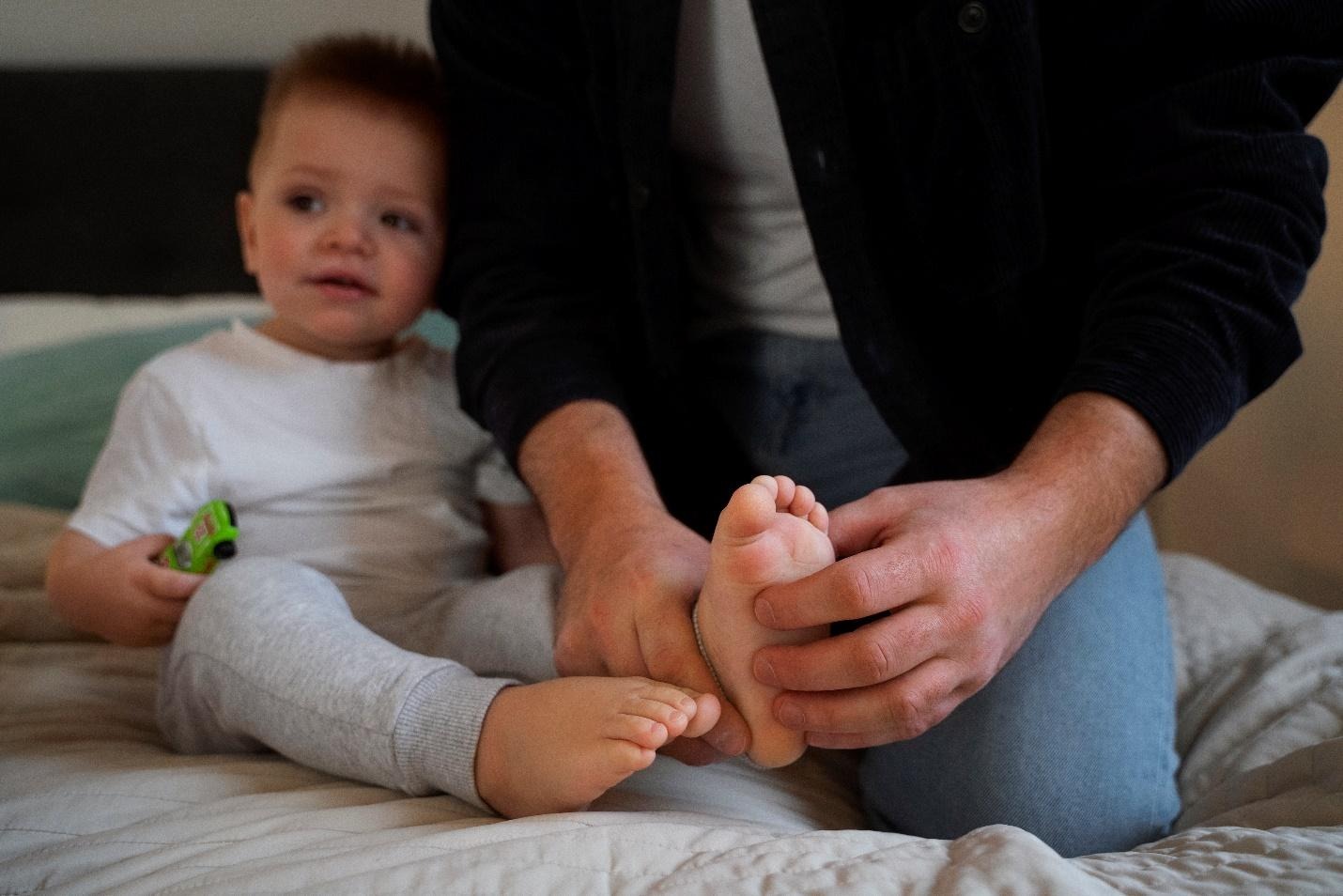
Most families don’t take foot health seriously until something actually starts hurting. During pain, adults usually push through discomfort, whereas kids are told they’re growing. And the underlying issue quietly gets worse over time.
What people don’t realize is that many adult foot problems have roots in childhood, and catching them early makes a big difference.
Today, we’ll discuss why it’s worth visiting a pediatric podiatrist early so you (and your family) can avoid foot problems later.
What a Pediatric Podiatrist Does and Why Early Visits Matter
Children’s feet continue to develop well into their teenage years, which means that issues that appear early have a window for correction. A pediatric podiatrist diagnoses and treats common foot and ankle conditions such as flat feet, in-toeing, and abnormal gait patterns.
These issues aren’t always obvious to a parent and aren’t even painful for the child. This is exactly why they are frequently missed.
Your child could benefit from a visit if he/she walks on tiptoes past the age of three, trips frequently, or wears shoes in unusual patterns. The sooner you address these issues, the more treatment options are available and the less invasive they tend to be.
How Untreated Childhood Foot Issues Show Up in Adults
A child with uncorrected flat feet or poor gait mechanics doesn’t just outgrow the problem. They compensate for it, and that compensation always shows up elsewhere in the body as they grow. Adults dealing with lower back or hip issues are often surprised to learn that their feet are a contributing factor.
By the time they see professional help as an adult, the treatment gets more complicated than it would have been during childhood. It’s because the body has spent years adapting to the original problem.
When Adults Should See a Podiatrist
Plantar fasciitis, bunions, and Achilles tendinitis are common foot issues in adults, and they’re usually connected to structural problems that were present much earlier in life. Seeing a podiatrist as an adult will not only treat the pain that’s already there, but it will also make you understand what’s driving it and stopping it from affecting the rest of your body.
If you’ve been managing foot discomfort by just pushing through it, a proper assessment could reveal a lot.
What This Means for Your Family Practically
You don’t need to wait for pain to justify a podiatry visit at any age. If your child shows any of the signs mentioned above, it’s worth scheduling an assessment sooner rather than later. If you’re an adult with discomfort you’ve been ignoring, getting it checked now will prevent it from becoming more serious down the line.
Foot health runs through everything from how well you move to how your joints hold up over decades. Treating it as a priority early, for both your children and yourself, is one of the more straightforward investments you can make in your family’s long-term well-being.