
 By Michael Caine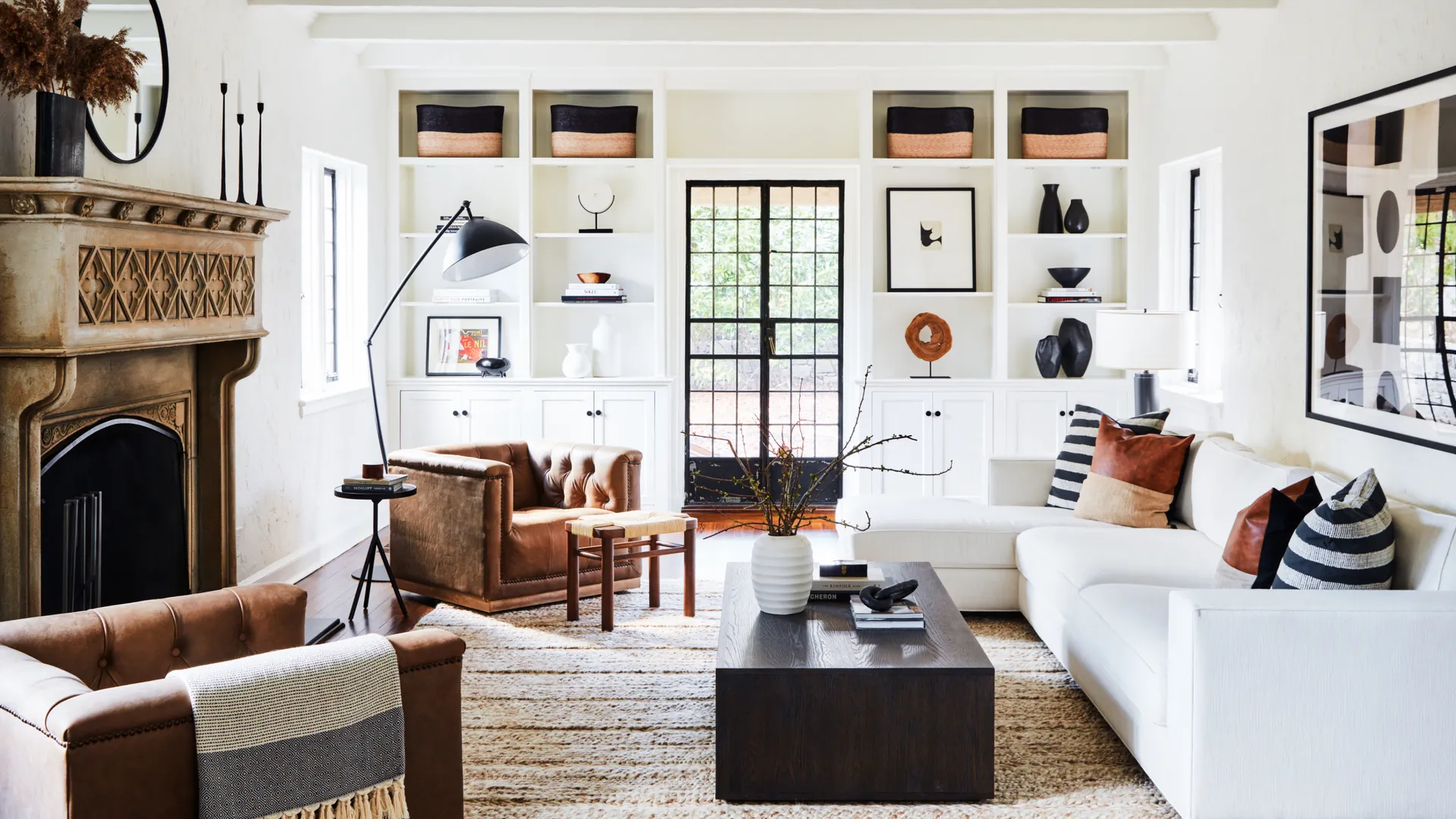
The most useful hidden storage often looks like part of the room rather than an added container. Hidden everyday storage ideas can place shoes, electronics, cleaning supplies, linens, paperwork, and seasonal items inside benches, wall recesses, stairs, cabinetry, and built-in furniture.
The aim isn’t to conceal everything. It’s to give frequently needed objects storage that supports the architecture instead of competing with it.
Look for Storage Inside Existing Forms
Start with features already occupying floor or wall space. Window seats, banquettes, built-in benches, deep wall sections, stair structures, and cabinetry can sometimes accommodate storage without adding another visible piece of furniture.
This is especially useful in compact rooms where every new cabinet reduces circulation.
Prioritize Useful Access
Hidden storage loses value if reaching it requires moving heavy furniture. Hinged seats, drawers, lift-up panels, and cabinet doors should open comfortably in the room’s normal arrangement.
Easy access matters even more for objects used several times each week.
Build Storage Into Seating
Benches can hide shoes in an entry, toys in a family room, linens in a bedroom, or serving pieces near a dining table. Drawers are often convenient because people can access them without removing cushions.
Exploring interior design resources may provide broader ideas for making storage furniture relate visually to surrounding trim, cabinetry, and finishes.
The best built-in seating still needs to remain comfortable after storage depth and hardware are considered.
Use Wall Depth More Carefully
Recessed cabinets and shallow wall storage can hold toiletries, small supplies, media accessories, or household paperwork while projecting less than conventional furniture.
Some practical home-improvement ideas can inspire ways to treat wall storage as part of a room’s visual structure instead of attaching numerous small organizers.
Any project that alters wall cavities needs attention to wiring, plumbing, insulation, and structural components before construction begins.
| Architectural Area | Possible Storage | Good Use |
|---|---|---|
| Window seat | Drawers or lift-up base | Linens, toys |
| Stair area | Built-in drawers | Shoes, seasonal items |
| Wall recess | Shallow cabinet | Small supplies |
| Banquette | Seat-base storage | Dining accessories |
Turn Transitional Areas Into Useful Storage
Hallways, landings, stair zones, and the spaces beneath windows are often overlooked because they aren’t treated as full rooms. Carefully fitted cabinetry can make these areas useful without narrowing movement unnecessarily.
Looking through architecture and layout inspiration can help when considering how storage interacts with circulation. Hidden cabinets should support the path through a space rather than interrupt it.
Shallow solutions are usually safer in narrow passages than deep cupboards.
Hide Technology Without Blocking Its Function
Routers, chargers, game accessories, power strips, and media equipment are frequent candidates for concealed storage. Yet electronics need access, ventilation, and cable routes.
A cabinet that completely traps heat or blocks wireless signals may create more problems than visual clutter ever did.
Use removable panels, cable openings, and appropriate ventilation where equipment requires them. Storage should never interfere with manufacturer safety requirements.
Where Hidden Storage Can Become a Problem
A hidden compartment isn’t automatically useful. Deep cavities can turn into forgotten dumping grounds if items aren’t visible or easy to retrieve.
Custom construction can also cost more than freestanding storage and may be difficult to change later. Before building anything permanent, decide exactly what the space will hold.
Avoid sacrificing comfortable seating depth, walkway width, ventilation, or service access merely to gain a small amount of extra storage. Architecture still has to work first.
Frequently Asked Questions
What rooms benefit most from hidden built-in storage?
Entries, bedrooms, family rooms, dining areas, hallways, and small apartments often benefit most. These spaces regularly need storage while also depending on clear walking areas and uncluttered surfaces.
Is storage under stairs always practical?
Not always. Accessibility, stair construction, utilities, fire-safety requirements, and local building rules can affect what is possible. A shallow drawer system may sometimes be more practical than one large deep compartment.
What should not be placed in difficult-to-access hidden storage?
Avoid placing frequently used objects, emergency supplies, or items requiring regular inspection in awkward compartments. Deep hidden spaces are better suited to organized belongings that are needed occasionally rather than every day.
Let the Architecture Do More Work
Good hidden storage doesn’t call attention to itself. It fits naturally into seating, cabinetry, walls, and transitional spaces while remaining easy enough to use that belongings actually return there.
Start with one recurring clutter problem rather than trying to conceal everything. When storage is designed around a specific purpose, it can reduce visible mess without making the room feel packed with organizers.