
 By Michael Caine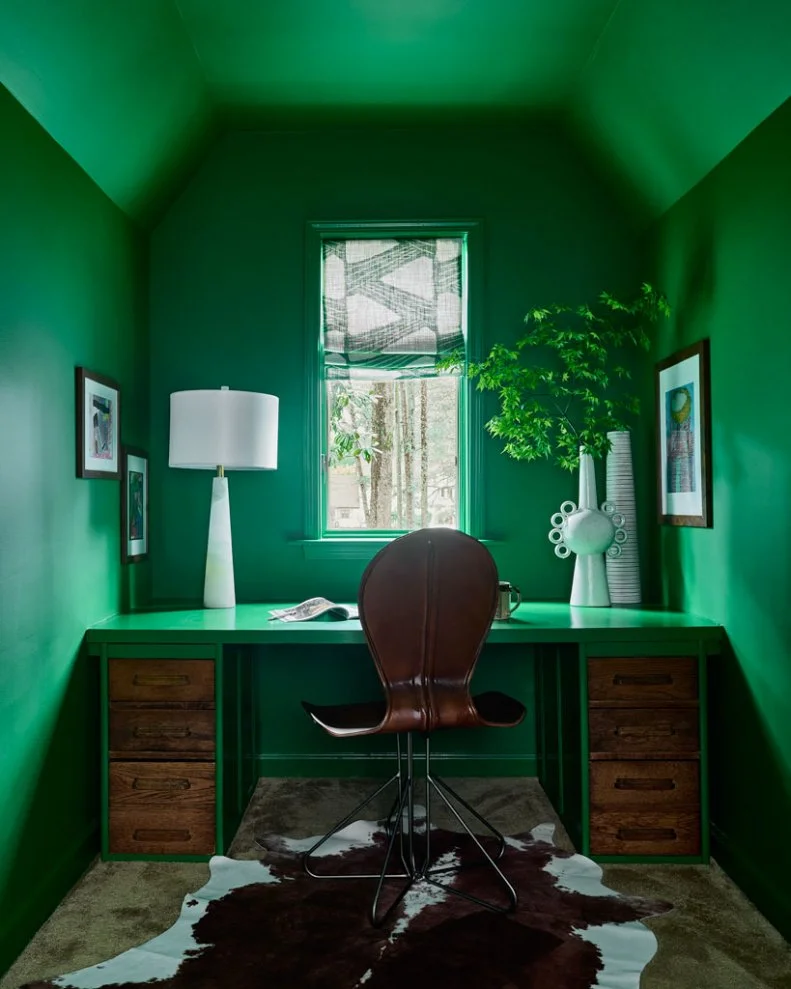
Peaceful home ideas built around sound, light, and air are less about filling rooms with calming objects and more about controlling what the senses experience throughout the day. Noise, glare, stale air, drafts, and visual clutter can all make an otherwise attractive home feel unsettled.
A calmer interior usually comes from improving several small environmental conditions together rather than chasing one perfect decorating style.
Begin With the Sound of Everyday Life
Peace isn’t the same as complete silence. Many homes feel comfortable when harsh, unpredictable noises are reduced while softer background sounds remain.
Rugs, curtains, upholstered furniture, bookcases, and thoughtful room zoning can limit excessive reflections. Keeping televisions, appliances, and louder gathering areas away from bedrooms or workspaces also reduces conflict between activities.
Shape Natural Light Instead of Maximizing It
More daylight isn’t always better. Strong afternoon glare, intense contrast, and direct sun on screens can make a room uncomfortable even when it photographs beautifully.
Ideas found in calm room inspiration often work because light is layered through curtains, blinds, shaded windows, reflective surfaces, and lamps rather than depending on one bright source.
Use Different Lighting for Different Times
Morning spaces may benefit from brighter light, while evening rooms often feel calmer with lower, warmer lighting distributed across several fixtures. Task lighting can remain focused without flooding the entire room.
Give Fresh Air a Clear Path
Ventilation affects comfort in ways people sometimes mistake for a decorating problem. A room that feels stuffy, humid, or stale may never feel genuinely restful no matter how carefully it is styled.
Good home layout planning can support airflow by keeping furniture from blocking vents and by maintaining practical paths between windows, doors, and occupied areas.
| Element | Common Problem | Calmer Approach |
|---|---|---|
| Sound | Hard reflections | Add soft varied surfaces |
| Daylight | Strong glare | Filter and layer |
| Artificial light | One harsh fixture | Use multiple sources |
| Air | Stagnant room | Improve ventilation paths |
Connect Comfort With the Way Rooms Are Used
A peaceful home should work during ordinary routines, not only when it has been cleaned for photographs. Seating should support conversation, storage should reduce visual clutter, and frequently used objects should remain easy to reach.
Spaces influenced by relaxed living-room concepts often combine softer materials with flexible lighting and comfortable spacing. The result can feel quiet without appearing empty or overly minimal.
What Calm-Looking Homes Sometimes Get Wrong
A nearly empty room may look peaceful but sound harsh because there aren’t enough materials to absorb reflections. Likewise, heavy curtains and tightly closed rooms may reduce outside noise while also limiting daylight or fresh-air movement.
Comfort requires balance. Sound control should not make a room stuffy, daylight control should not make it gloomy, and minimalism should not remove everything that makes daily life convenient.
Frequently Asked Questions
What makes a home feel peaceful without major remodeling?
Reducing clutter, softening harsh sound, improving lighting layers, maintaining comfortable temperatures, and allowing fresh air to circulate can change how a home feels without structural renovation.
Are quiet homes always better with thick curtains?
Not necessarily. Thick curtains may reduce reflections and outside noise, but lighter layered treatments can preserve daylight while still providing some acoustic softness.
Can indoor plants make a room quieter?
Plants may provide a small amount of scattering or absorption, especially in larger groupings, but they should not be treated as a substitute for meaningful acoustic materials.
Design for How the Home Feels at 7 P.M.
A peaceful home should remain comfortable when people are cooking, talking, working, watching television, opening doors, and moving from room to room. That’s the test that matters.
Pay attention to sound, light, and air as connected parts of daily comfort. When those three conditions are managed thoughtfully, a room can feel calmer without becoming sterile, silent, or overly styled.