
 By Michael Caine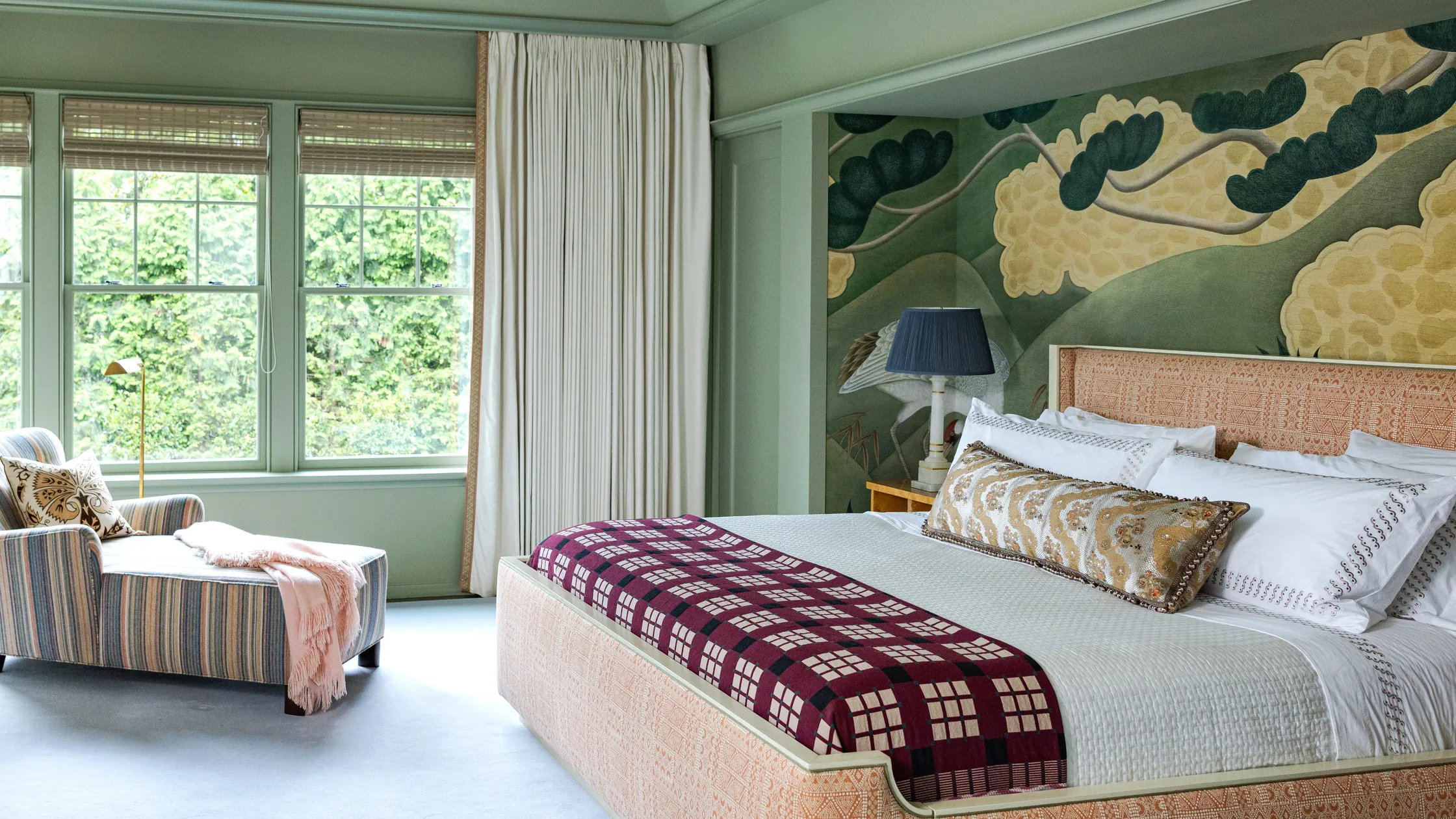
Mixing materials can make an interior feel layered and personal, but adding more finishes doesn’t automatically create more depth. Too many unrelated surfaces often produce the opposite result: visual noise. Successful mixed material ideas rely on repetition, hierarchy, and restraint so wood, stone, metal, glass, textiles, and painted finishes support one another instead of competing for attention.
Build Around One Dominant Material
Every room benefits from a material that visually leads. It might be oak flooring, stone walls, painted cabinetry, exposed brick, or warm plaster. Secondary materials should support that foundation rather than challenge it.
Collections of patio and material combinations offer useful examples because exterior designs frequently combine timber, masonry, metal, and planting within one view. The most convincing schemes still give one or two materials greater visual weight.
Count Visual Weight, Not Just Materials
A tiny brass handle and a full marble wall shouldn’t be treated as equal additions. Surface area, contrast, pattern, and color determine how strongly each material registers.
Create Relationships Through Repetition
Repeating a material in two or three places helps the room feel intentional. Timber from a kitchen island might return in floating shelves. Black metal from a partition could appear again in lamp frames or furniture legs.
Looking at coordinated home design ideas can help clarify how repeated finishes connect separate areas. The repeated element doesn’t have to be identical; related wood tones or similar metal finishes are often enough.
| Primary Material | Supporting Material | Useful Role |
|---|---|---|
| Oak | Black metal | Adds definition |
| Limestone | Warm timber | Softens stone |
| Painted plaster | Glass | Adds lightness |
| Dark cabinetry | Woven textile | Reduces hardness |
Combine Hard and Soft Surfaces
Rooms become more comfortable when hard architectural materials are balanced by fabric, rugs, curtains, upholstery, and other tactile finishes. Stone and metal may create structure, while textiles reduce echo and visual severity.
Examples of comfortable layered interiors can show how soft furnishings help multiple hard materials coexist. A room containing concrete, steel, and timber may still feel welcoming once wool, linen, and upholstered seating are introduced.
Keep Patterns Under Control
If the stone has strong veining, the timber has dramatic grain, and the fabric carries a bold pattern, all three may compete. Let one material carry the strongest movement while others remain quieter.
Use Color to Tie Different Materials Together
Materials don’t need to match when they share related undertones. Warm oak works naturally beside cream stone, aged brass, clay-toned textiles, and off-white plaster because each contains some visual warmth.
Cooler schemes might combine gray stone, pale ash, dark steel, and blue-gray fabrics. Shared temperature gives different surfaces a family resemblance without making them identical.
Where Mixed Material Design Becomes Cluttered
The biggest problem is introducing a new finish every time another object enters the room. One metal for lights, another for handles, a third for furniture, several unrelated woods, and competing stones can make the design feel accidental.
Another common mistake is trying to give every material equal importance. Depth requires hierarchy. Some surfaces should be noticed immediately, while others should sit quietly in the background. Editing materials is often more valuable than adding another supposedly interesting finish.
Frequently Asked Questions
How many materials should one room contain?
There isn’t a fixed number because scale matters more than counting. A room can contain several materials successfully when one or two dominate and the remaining finishes appear in smaller, coordinated roles.
Can different wood tones be mixed together?
Yes. Different woods can feel natural together when their undertones relate and one finish remains dominant. Repeating each secondary wood at least once may also prevent individual pieces from appearing accidental.
Should all metal finishes match?
No. Mixed metals can work when their roles are clear and the number of competing finishes remains controlled. One dominant metal with a smaller secondary finish is often easier to coordinate than several equally prominent metals.
Edit Before Adding Another Finish
The strongest layered interiors rarely depend on the greatest number of materials. They depend on relationships between surfaces: warm against cool, rough against smooth, hard against soft, and dominant against secondary. Before introducing another finish, ask whether it adds a missing function or contrast. If it doesn’t, leaving it out may create more depth than adding it.