

 By Michael Caine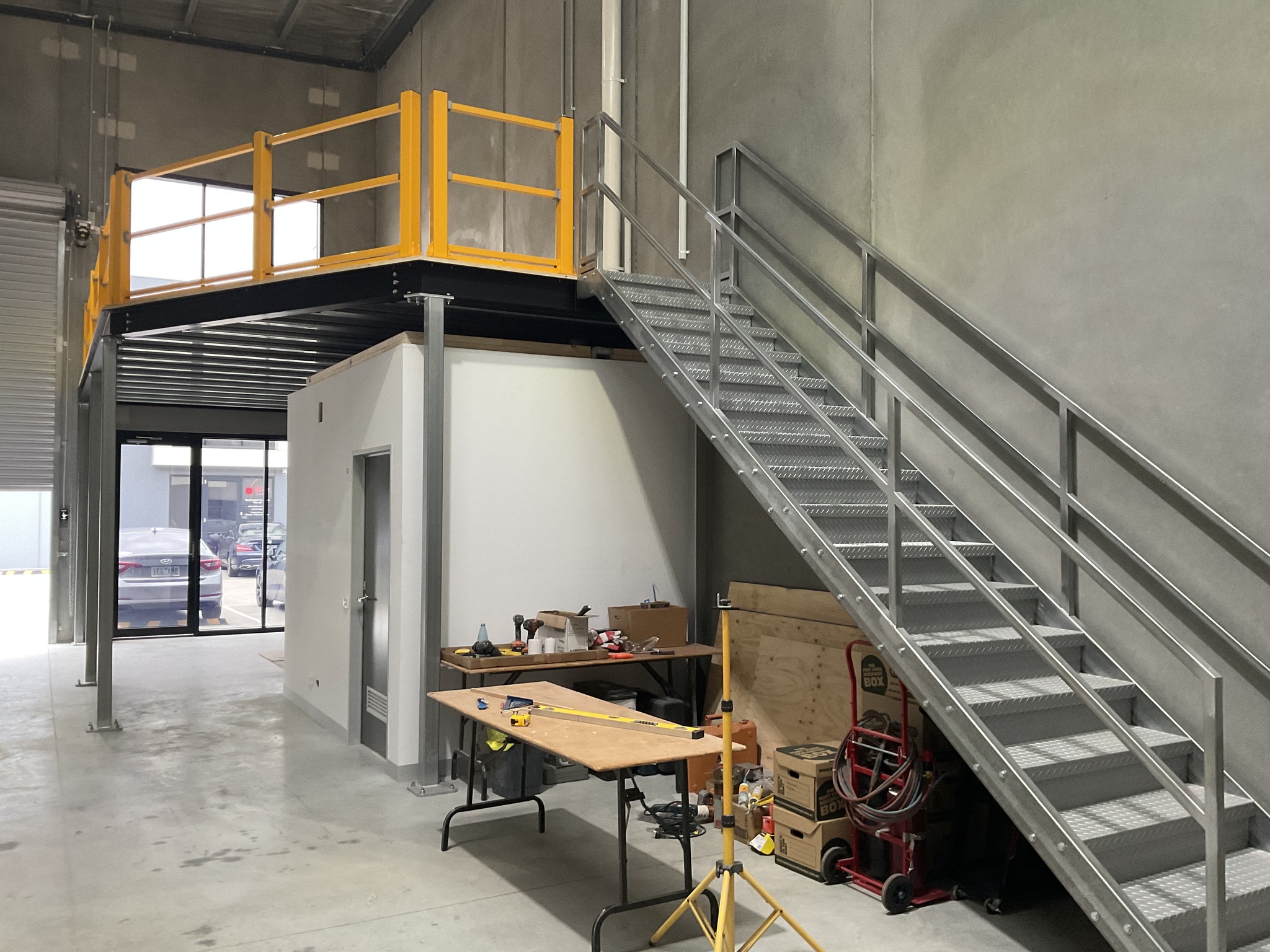
In today’s fast-paced business environment, every inch of space counts. Whether you operate a warehouse, retail store, office, or manufacturing facility, making the most of your existing area can directly impact your productivity and bottom line. That’s why understanding what is a mezzanine is essential for businesses looking to expand capacity without incurring costly construction or relocating entirely.
At Garaza Design, based in Scottsdale, Arizona, we specialize in innovative mezzanine design and installation solutions tailored to maximize space utilization while maintaining safety and style. This article will explore what a mezzanine is, the different types available, key benefits, and important considerations to keep in mind before installation. By the end, you’ll understand why mezzanines are an efficient and cost-effective way to unlock your space’s true potential.
What Is a Mezzanine? Defining the Concept
A mezzanine is an intermediate floor or platform installed between the main floors of a building. Unlike a full second story, it does not cover the entire footprint of the floor below but is a partial level that creates extra usable space vertically. Typically made from steel or aluminum frameworks with decking materials like wood or metal, mezzanines are custom-built to fit specific environments and purposes.
Put simply, a mezzanine is a smart solution to increase usable square footage upward rather than outward. By tapping into the often unused vertical space found in buildings with high ceilings, mezzanines enable businesses to expand capacity without the expense and disruption of traditional building extensions.
You’ll find mezzanines in a wide range of commercial settings, such as:
- Warehouses: Adding storage racks or workstations above existing floor space.
- Retail environments: Creating additional display or office areas.
- Offices: Building extra desks or meeting rooms above reception areas.
- Manufacturing plants: Expanding operational zones without halting production.
Different Types of Mezzanines and Their Uses
Choosing the right type of mezzanine depends on your building layout, load requirements, and intended use. Here’s a breakdown of common mezzanine types to help you determine what best fits your needs:
1. Free-Standing Mezzanines
These mezzanines are independent structures supported by their own columns and beams, not relying on the building’s walls or framework. They offer flexibility for installation and can be modified or moved if necessary. Free-standing mezzanines are popular in warehouses and industrial facilities where adaptable layouts are required.
2. Rack-Supported Mezzanines
Rack-supported mezzanines are built on top of existing pallet racks or shelving systems. This dual-purpose design maximizes vertical space by combining storage and workspace in one footprint. This is especially useful for warehouses aiming to increase storage density without adding new racking systems.
3. Shelving-Supported Mezzanines
Similar to rack-supported, shelving-supported mezzanines rest on lighter shelving units designed to hold smaller loads. Retailers often use this for displaying merchandise or storing inventory above sales floors.
4. Structural Mezzanines
These mezzanines are integrated into the building’s structural design during construction or major renovations. They offer permanent solutions with high load capacities and are often engineered for specific uses such as heavy equipment storage or manufacturing assembly lines.
Key Benefits of Installing a Mezzanine
Understanding what is a mezzanine isn’t complete without appreciating the advantages it offers. Here are the primary benefits that make mezzanines an increasingly popular choice:
Maximize Vertical Space
Many commercial buildings have ceilings reaching 20 feet or more, leaving valuable vertical space unused. A mezzanine allows you to capitalize on this height, effectively doubling your usable area without expanding your building’s footprint.
Cost-Effective Alternative to Expansion
Building additions or leasing new property are expensive and time-consuming. Mezzanines offer a more affordable way to add significant space quickly and with less disruption to your daily operations.
Fast and Minimal Disruption Installation
Mezzanines can typically be designed, fabricated, and installed in a matter of weeks. This speed reduces downtime and enables you to continue operations smoothly during the installation process.
Flexible and Customizable Designs
Mezzanines are highly customizable, allowing for tailored solutions based on your business needs. Whether you require heavy-duty flooring for machinery or open office layouts with glass railings, mezzanines can be designed to fit.
Improved Workflow and Organization
By creating distinct levels or zones, mezzanines improve workflow by separating work, storage, and administrative areas. This organization enhances safety, reduces clutter, and promotes operational efficiency.
Enhanced Property Value
Adding a mezzanine increases the functional space of your property, potentially boosting its market value and appeal to future tenants or buyers.
Practical Considerations Before Installing a Mezzanine
A successful mezzanine installation requires thoughtful planning and expert input. Here are essential factors to consider:
Assess Your Building’s Ceiling Height
Most mezzanines require a minimum clearance of about 12 to 14 feet to maintain comfortable headroom on both levels. Measure your space carefully and consider ceiling fixtures like HVAC ducts or sprinkler systems that might affect installation.
Determine Load Requirements
Clarify the weight your mezzanine will need to support. Storage mezzanines handling heavy pallets require stronger steel frameworks than office mezzanines designed for desks and light equipment.
Plan Accessibility
Decide how people or equipment will access the mezzanine. Staircases are common for personnel, but lifts or forklifts might be necessary for moving goods.
Comply with Building Codes and Safety Regulations
Local codes dictate requirements for guardrails, fire exits, load limits, and structural engineering. Engage with professionals to ensure your mezzanine meets or exceeds all regulations for safety and liability.
Budget for Future Expansion
Design your mezzanine with adaptability in mind. Modular components and freestanding designs facilitate future expansions or reconfigurations as your business evolves.
How to Optimize Your Mezzanine for Maximum Efficiency
Once installed, a mezzanine’s design details impact how effectively it serves your business. Here are some tips to maximize efficiency:
Incorporate Integrated Storage Solutions
Combine your mezzanine with shelving, pallet racks, or automated storage systems to make full use of vertical space both above and below the platform.
Ensure Proper Lighting and Ventilation
Mezzanines can sometimes be dim or poorly ventilated. Invest in adequate lighting fixtures and airflow solutions to create comfortable and safe working environments.
Use Modular and Prefabricated Components
Prefabricated mezzanine kits speed installation and provide flexibility for future changes or expansions.
Design Multi-Functional Spaces
Create mezzanine zones that can serve multiple purposes such as office spaces above storage areas improving space utilization and workflow.
Why Choose Garaza Design for Your Mezzanine Project?
At Garaza Design, we combine deep industry expertise with hands-on experience to deliver mezzanine solutions that truly meet your business needs. Based in Scottsdale, AZ, we serve clients throughout the region, providing:
- Custom Engineering: Precise structural designs to ensure safety and optimal load support.
- Tailored Layouts: Mezzanines designed to fit your unique space, usage, and workflow requirements.
- Quality Materials: Durable steel frameworks and premium decking options built to last.
- Efficient Installation: Minimizing downtime and ensuring timely project completion.
- Ongoing Support: Expert advice on maintenance, upgrades, and compliance.
Our collaborative approach ensures you’re part of every step in the design and installation process, resulting in a mezzanine that’s safe, functional, and future-ready.
Understanding What a Mezzanine Is and Its Strategic Value
In essence, what is a mezzanine? It’s a strategic solution to spatial challenges adding valuable floor area vertically to accommodate growth, enhance efficiency, and improve workflow without the hassles of major construction.
Businesses across industries are discovering mezzanines offer a practical, affordable, and customizable way to optimize space while maintaining safety and compliance. With expert design and installation partners like Garaza Design, your mezzanine project can become a cornerstone of your business’s growth strategy.
If you’re ready to explore mezzanine options and see how they can unlock your space’s potential, visit Garaza Design or contact us at 14201 Hayden Rd, Scottsdale, AZ 85260. Let’s create efficient, smart, and scalable space solutions together.